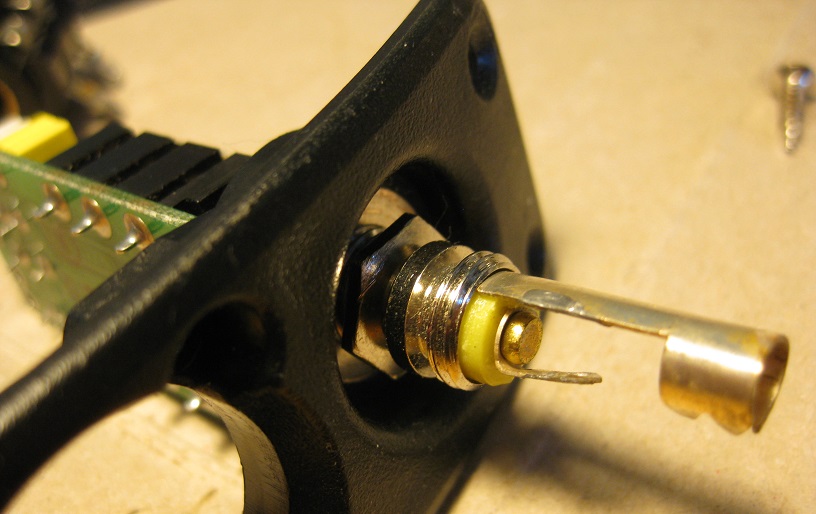
My Line 6 Variax 300 has been having some noise issues relating to the jack socket so I decided to strip it down and use some deoxidising spray to try to clean up the contacts. The jack socket is soldered to a PCB and fitted to a curved plate. It has a plastic body and an externally threaded chromed nut.
► Show Spoiler
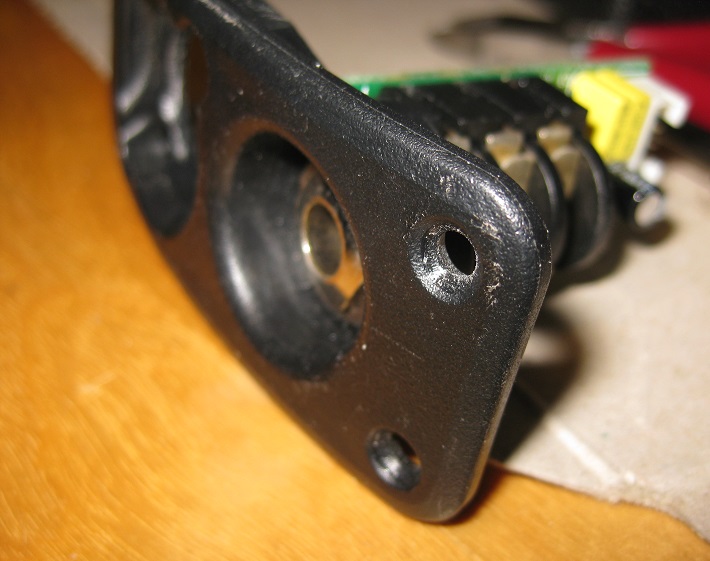
- Line6_panel.JPG (102.68 KiB) Viewed 680 times
Trying to reassemble the socket onto to the panel is a fiddly job and I had endless trouble. The nut would appear to start OK but inevitably end up cross-threaded, with the result that a jack would be difficult or impossible to insert. This immediately brought to mind a recent Facebook Marketplace advert for a Variax 300 where the seller mentioned that the jack socket was stiff.
Back in the day Cliff jack sockets were made with a brass threaded insert that was practically impossible to cross-thread. Here's one from those golden days:
► Show Spoiler
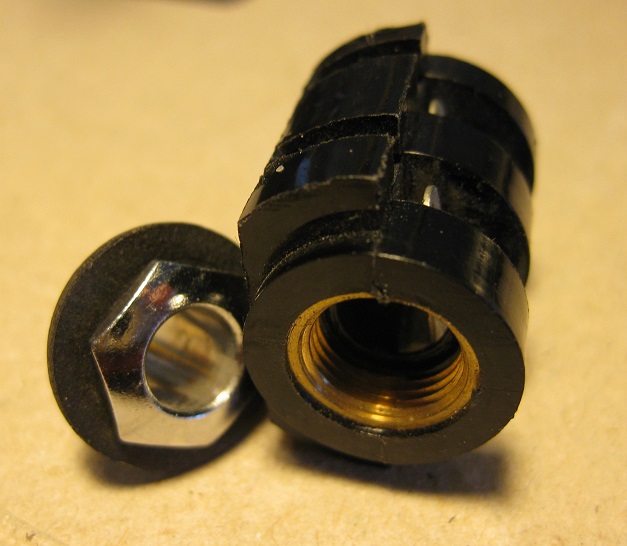
- Old_Cliff_socket.JPG (79.57 KiB) Viewed 680 times
Thanks to "value engineering" those days and brass inserts are long gone and instead we have the more compliant (= easily cross-threaded) full plastic body.
► Show Spoiler
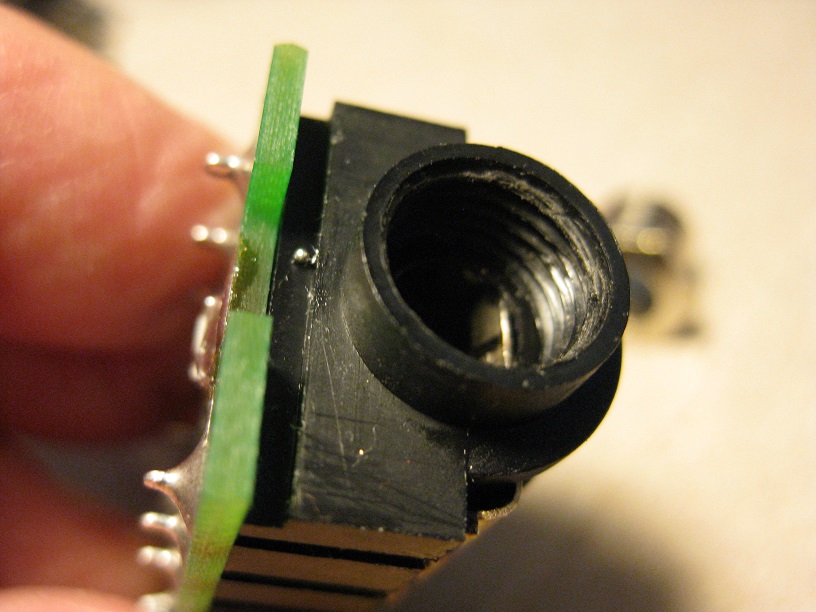
- Worn_Line6_socket.JPG (144.65 KiB) Viewed 680 times
So, how to ensure you don't cross-thread when reassembling the jack socket? Answer:
► Show Spoiler
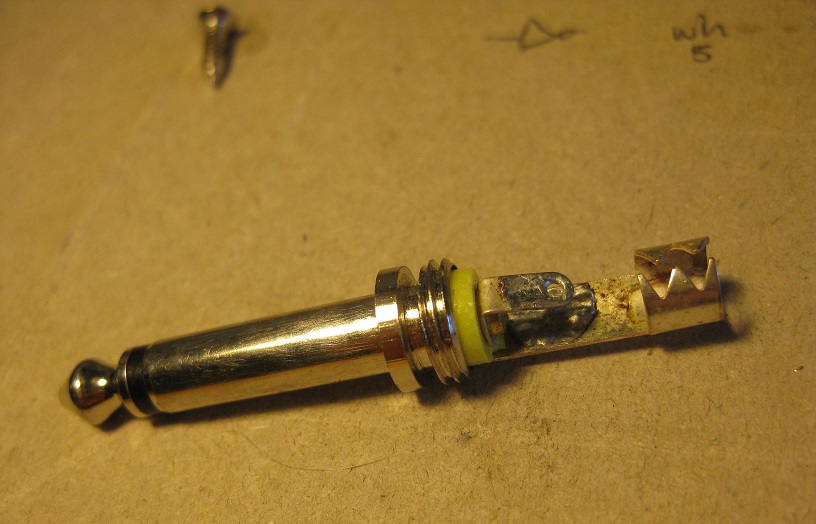
- Old_jack.JPG (114.17 KiB) Viewed 680 times
Put the jack through the nut into the socket and screw the nut in by hand, pushing the plug in as you go.
► Show Spoiler
- Reassembly.JPG (111.44 KiB) Viewed 680 times
My old Xcelite kit has a socket with a recess large enough to take the back of the jack, but probably a ring spanner would also do for the final turn or two.
► Show Spoiler

- Reassembly_2.JPG (109.63 KiB) Viewed 680 times
As the French say...
► Show Spoiler

- A_Viola.jpg (27.98 KiB) Viewed 680 times
A viola!
TBH, I might swap the socket out for one with gold-flashed contacts to avoid future corrosion/oxidation issues.